What I teach
Hatha and Kriya yoga, breath and meditation, and Ayurveda-informed practice.
Five strands
-
Hatha and Vinyasa
Posture and breath, with the precision of alignment training at the B.K.S. Iyengar Institute in Pune.
-
Kriya
Quiet and internal, in the Satyananda and Bihar School of Yoga tradition. Classical Kriya, not Western Kundalini.
I have studied Kundalini yoga too. Kriya is what I teach.
Read the difference -
Breath and meditation
Pranayama, antar mouna (inner silence) and Yoga Nidra.
-
Ayurveda-informed practice
Cleansing practices (shatkarma), daily rhythm and diet, drawn from my own study and my own recovery.
This is not medical treatment, and I am not a doctor.
At the Ayurvedic Healing Retreat, consultations and treatments are given by Ayurvedic doctors, not by me. See the retreat.
-
The whole path
All eight limbs of Patanjali, not only postures. Mudra, bandha, mantra, and the map of chakras and nadis.
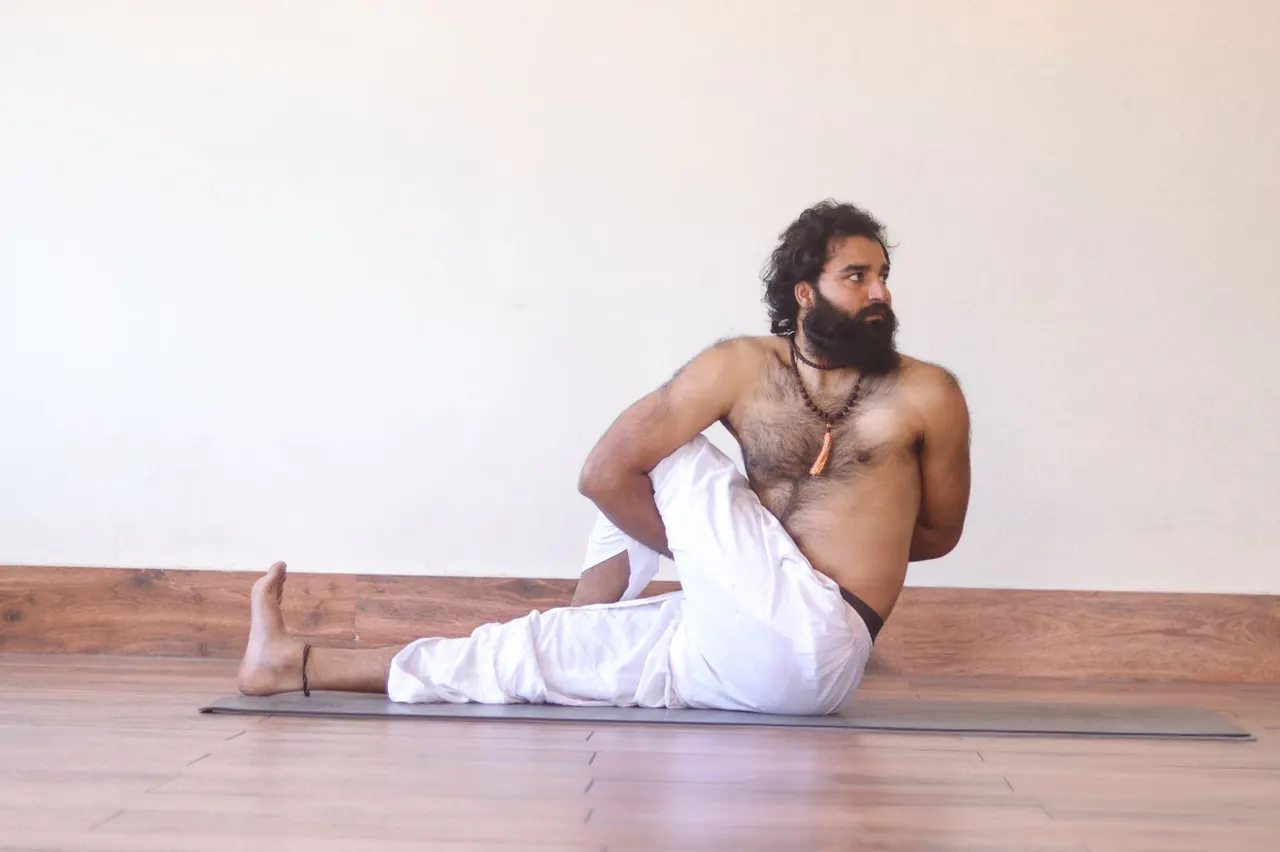
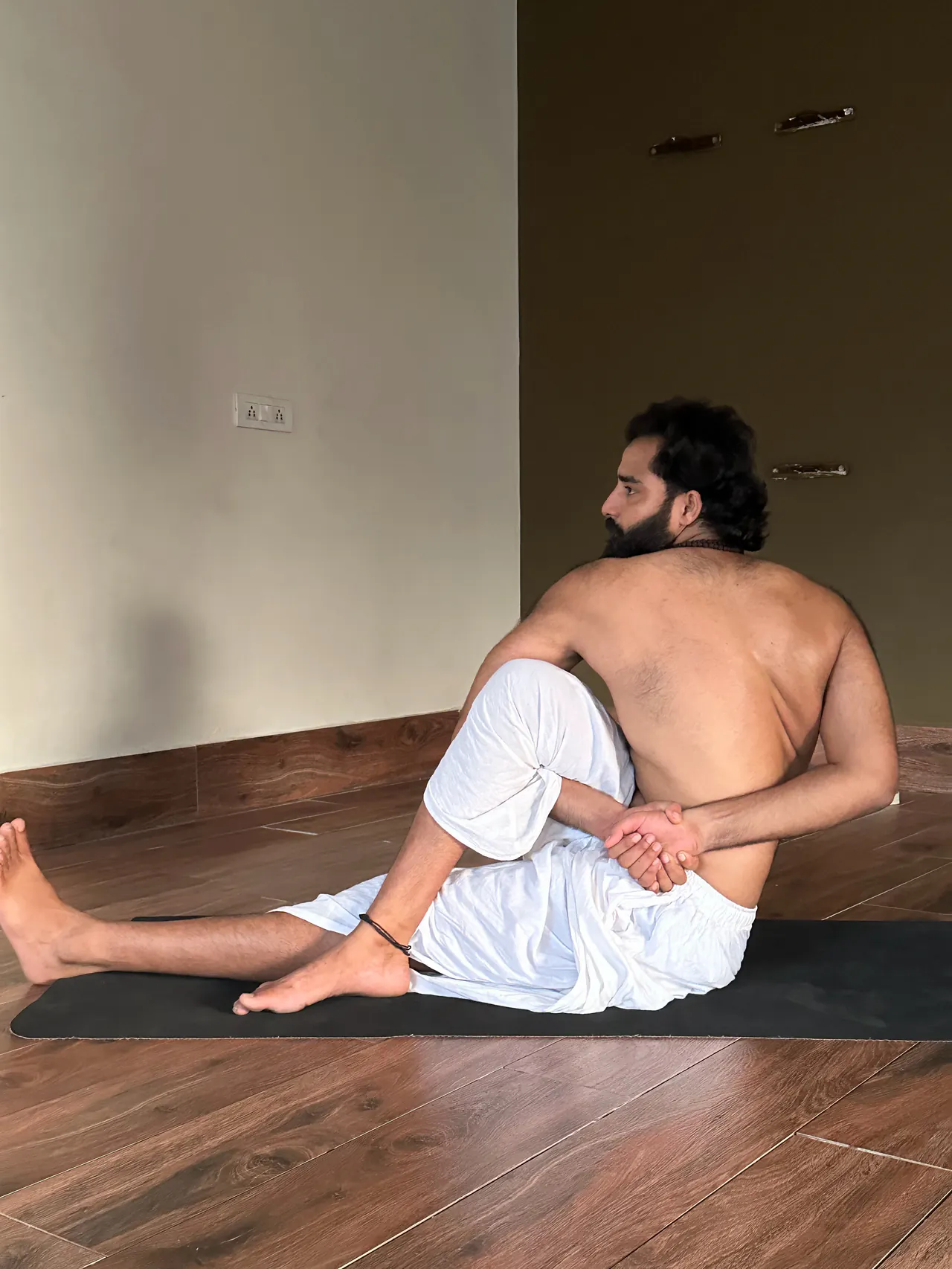
The Kriya is taught only from the Satyananda root. Alignment study at the Iyengar Institute informs the asana. Two short asana intensives, handstand and backbends, run on request. See the workshops.
One tradition, named plainly.
Where the teaching comes from, and what it does not claim.
In the tradition of
I teach Hatha and Kriya yoga in the Satyananda and Bihar School of Yoga tradition, which came from Swami Sivananda of Rishikesh to Swami Satyananda Saraswati, who founded the Bihar School of Yoga in Munger. I did my advanced training at the Bihar School of Yoga, and later studied alignment at the B.K.S. Iyengar Institute in Pune.
My own guru is Swami Karamveer Ji, a renowned yoga guru and Ayurvedic master.
Lineage is not snobbery. It means the method you are learning existed before the marketing department did — a syllabus tested on thousands of students over decades, with a living chain of teachers who can correct each other.
“My own root is clear and I teach nothing outside it.”
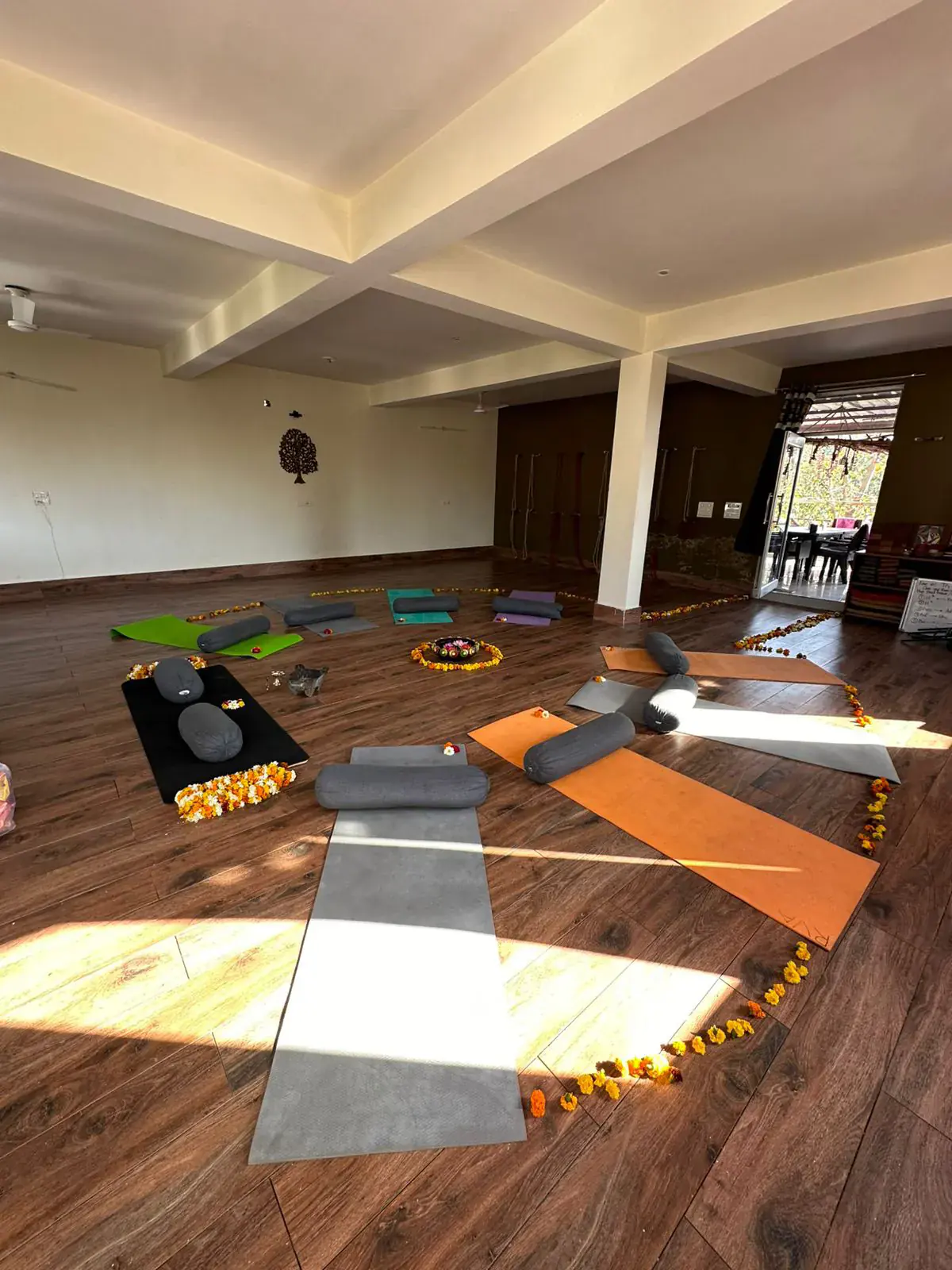
The hall
A quiet room, mats, bolsters, and marigold petals before class.
Groups are small, up to 12, so I can see every student and give personal feedback.
Consistency matters more than flexibility. For a teacher training, beginners are welcome, but I do suggest six months or so of some regular practice first.
A day in the training
The timetable of the 28-day Hatha Vinyasa teacher training, as aryayogpeeth.com publishes it. It can change with the group and the season.
The Hatha & Kriya day starts at 05:30 with advanced pranayama and meditation and ends with meditation or Sanskrit study at 20:45. See the course page (opens in a new tab).
See the trainings The course on aryayogpeeth.com (opens in a new tab)
- 06:00to 07:30Meditation and pranayama
- 07:45to 09:15Asana practice, Hatha Vinyasa
- 09:30to 10:30Breakfast and rest
- 10:30to 12:00Yoga philosophy and anatomy
- 12:00to 13:30Teaching methodology
- 13:30to 15:00Lunch and rest
- 15:00to 16:30Alignment and adjustment workshop
- 16:45to 18:15Pranayama and meditation
- 18:30to 19:30Dinner
- 19:30to 20:30Self-study or Yoga Nidra
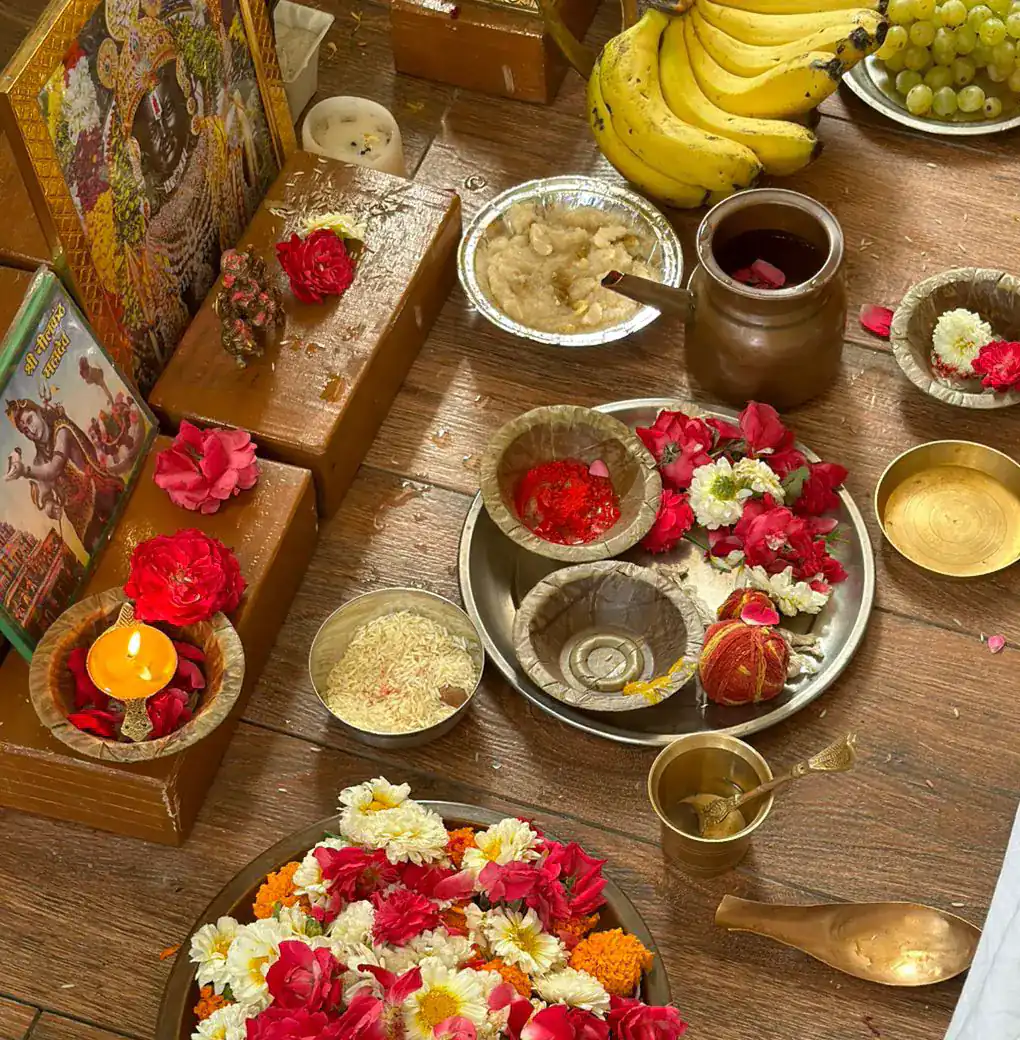
Four values
Authenticity. Balance. Breath. Fluidity.
The four values I teach from.
Yogi Arya
What I believe
Ancient wisdom, modern science
Having experienced the healing power of this integration firsthand, I believe that yoga’s ancient wisdom becomes even more powerful when complemented by modern scientific knowledge.
Healing through practice
My own journey of healing from ulcerative colitis through yoga and Ayurveda taught me that the body has remarkable self-healing capabilities.
Creating harmony
Yoga extends beyond individual wellness to creating harmony in society and our world. Each transformed individual becomes an agent of positive change.